
What is Reiki?
Reiki is a holistic approach to healing that originated in Japan in the early 20th century. The word Reiki is derived from two Japanese words - "Rei," which means "Universal" and "Ki," which means "Life Force Energy." Reiki is based on the principle that life force energy flows through every living being and that disruptions or blockages in this energy can lead to physical, emotional, and spiritual imbalances.
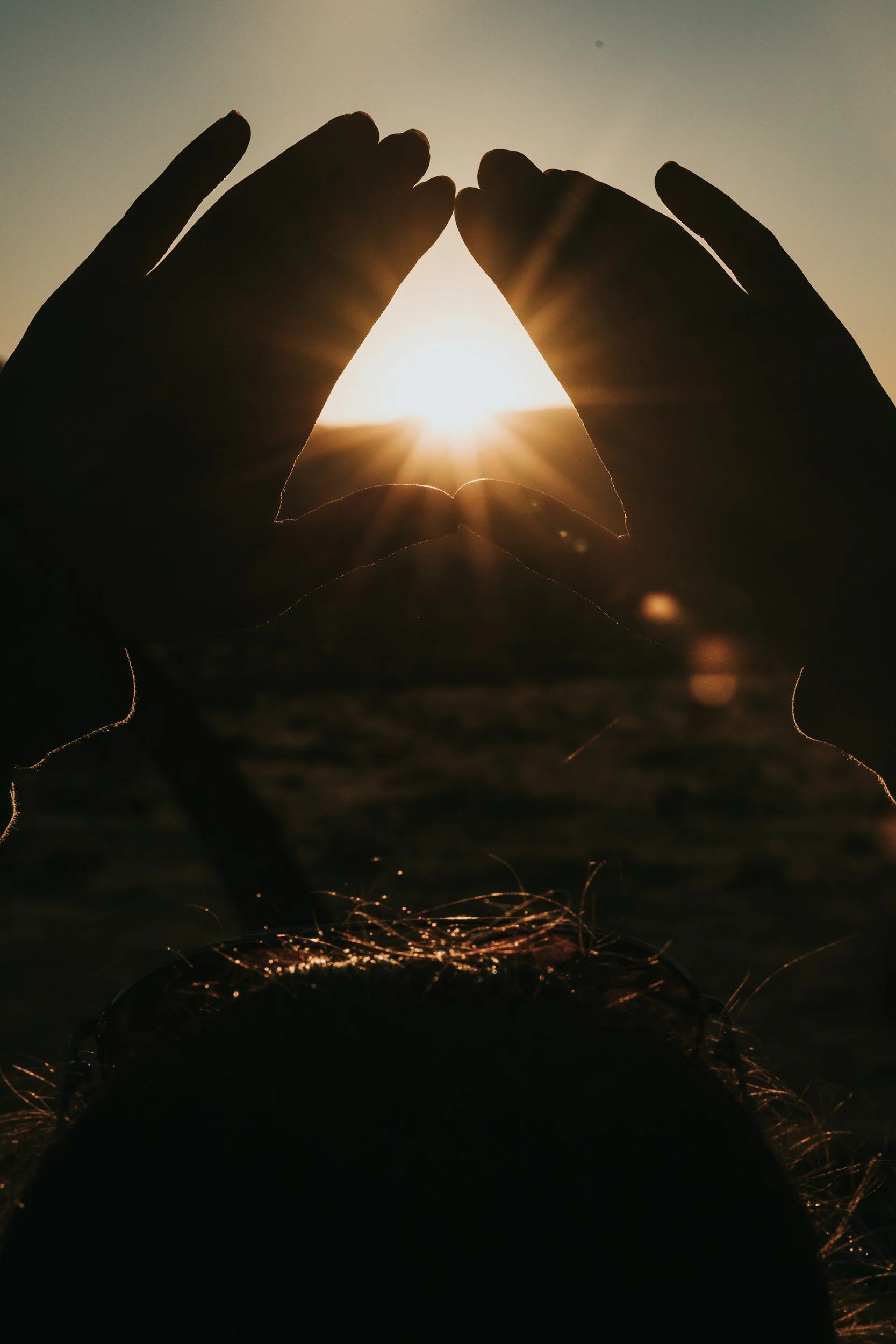
The practice of Reiki involves the transfer of this universal life force energy from the practitioner to the recipient through gentle touch or non-contact methods. The practitioner acts as a channel for the energy, allowing it to flow through them and into the recipient's body. This energy helps to activate the natural healing processes of the body, reducing stress, promoting relaxation, and bringing balance to the mind, body, and spirit.
Reiki is not affiliated with any particular religion or belief system and is open to people of all faiths and cultures. It is a gentle, non-invasive approach to healing that can be used alongside conventional medical treatments to support the body's natural healing processes.
Reiki is often used to treat those suffering from physical ailments such as headaches, chronic pain, and digestive issues. It can also be used to address emotional imbalances such as anxiety, depression, and grief. Additionally, Reiki can be used to enhance spiritual growth and promote a deeper connection to oneself and the universe.
The practice of Reiki involves a series of hand positions that are held over different parts of the recipient's body. The practitioner's hands are either placed lightly on the body or held slightly above it. The hand positions correspond to different energy centres or chakras in the body, and the energy flows through these centres, helping to remove blockages and restore balance.
During a Reiki session, the recipient may experience sensations such as warmth, tingling, or a sense of deep relaxation. Some people may also experience emotional releases, such as crying or laughter, as blocked energy is released from the body. It is not uncommon for people to fall asleep during a Reiki session as they enter a state of deep relaxation.
One of the benefits of Reiki is that it is safe and non-invasive. It is a gentle approach to healing that can be used on people of all ages, including infants and the elderly. Reiki can be used as a complementary therapy to traditional medical treatments, helping to alleviate side effects and support the body's natural healing processes.
Reiki practitioners are trained and certified in the practice of Reiki. There are different levels of certification, ranging from Level 1 to Master Level. Reiki 1 Training is all about the self and at this level can perform Reiki on themselves. After Reiki 2 Training practitioners can give Reiki to others, while Reiki Master Practitioners have received advanced training and can progress to teacher status and attune others to the practice of Reiki.
To summarise, Reiki is a holistic approach to healing that involves the transfer of universal life force energy from the practitioner to the recipient. It is a gentle, non-invasive approach to healing that can be used to address physical, emotional, and spiritual imbalances. Reiki is safe and can be used alongside traditional medical treatments to support the body's natural healing processes.
If you are interested in trying Reiki, it is important to find a trained and certified practitioner who can guide you through the process and ensure a safe and effective experience. Why not use our Find A Practitioner directory to find a Reiki practitioner local to you?