
Is Reiki the Easy Option?
“Isn’t Reiki just the easy way out?”
It’s a question that is often broached in wellness spaces, asked with curiosity or sometimes skepticism. In a culture that often glorifies struggle, sweat, and visible effort, a healing system that involves lying down, closing your eyes, and receiving gentle touch can seem… too simple.
So is Reiki the easy option? Or is it simply misunderstood?
Let’s explore.
What Is Reiki?
Reiki is a Japanese energy healing practice developed in the early 20th century by Mikao Usui. The word itself loosely translates to “universal life energy.”
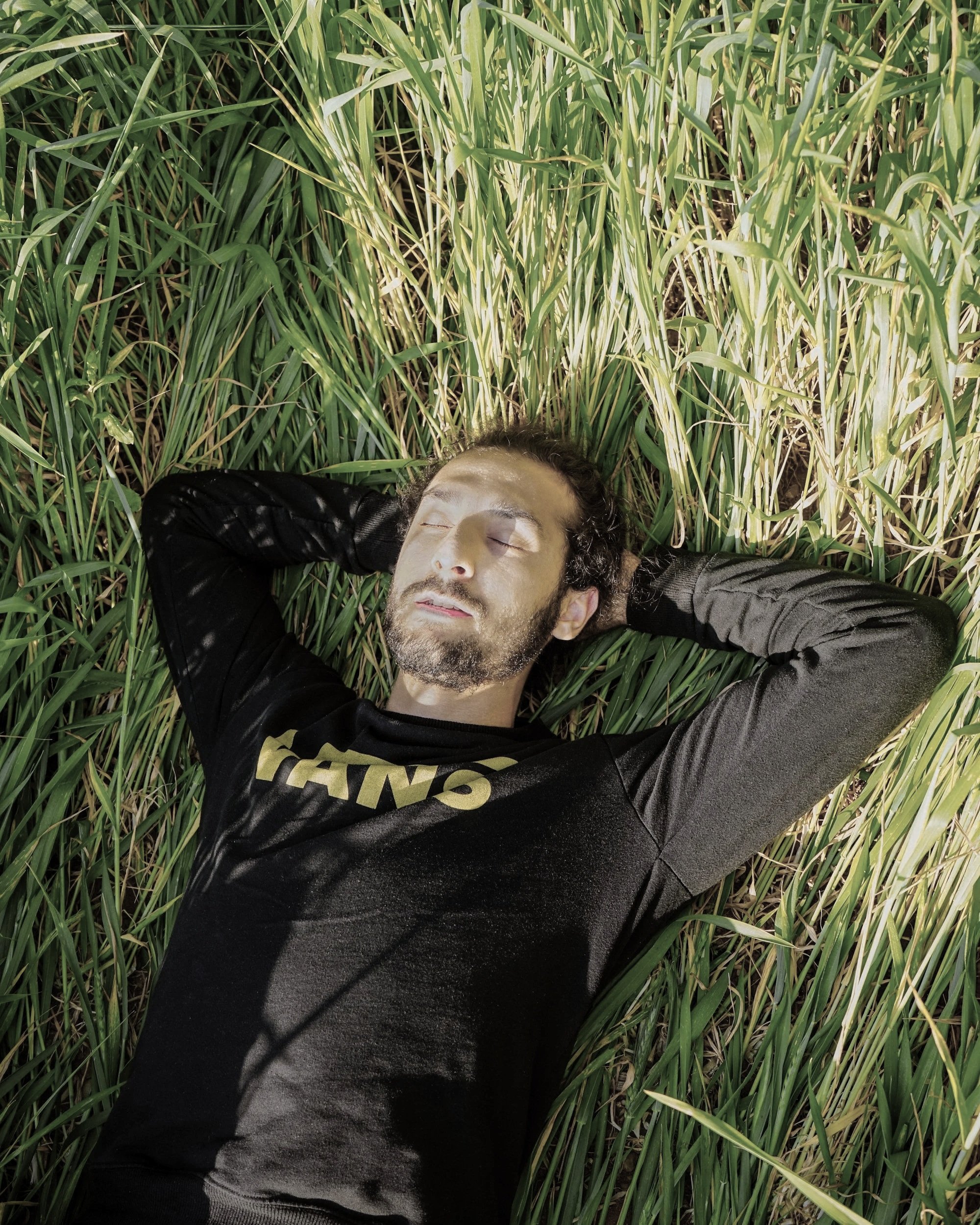
In a Reiki session, the practitioner places their hands lightly on or just above the body, with the intention of supporting the flow of energy. The client remains fully clothed, usually lying comfortably on a treatment table. There is no manipulation of muscles, no intense emotional probing, no medication — just stillness, presence, and subtle energetic work.
At its core, Reiki is based on the idea that when our life force energy flows freely, we feel balanced — physically, emotionally, spiritually and mentally. When that flow is disrupted, we may experience stress, fatigue, or illness.
Simple in structure? Yes. Shallow? Not necessarily.
Why Some People Think Reiki Is the “Easy Option”
From the outside, Reiki can look passive.
The client lies down. The practitioner places their hands gently. There’s no visible exertion. No sweat. No tears (at least not always). Compared to intense therapy sessions, grueling workouts, or complex medical procedures, Reiki appears almost effortless.
There’s also a broader belief many of us carry: that healing must be hard to be effective. We’re conditioned to equate effort with value. If something feels gentle or soothing, we may unconsciously dismiss it as less effective.
But visible effort and internal transformation are not the same thing.
What Actually Happens in Reiki Healing?
While Reiki sessions are calm on the surface, subtle shifts can occur internally.
Many people report:
Deep nervous system relaxation
Emotional release
Increased clarity
Unexpected memories surfacing
Physical sensations like warmth or tingling
When the body moves into a parasympathetic (rest-and-repair) state, it can finally begin processing what stress has suppressed. For some, that processing continues for days after a session.
Reiki does not force change. It creates conditions where change becomes possible.
And that process is not always “easy.” It can be confronting, tender, and deeply transformative.
Easy Does Not Mean Passive
One of the biggest misconceptions about Reiki is that the client is “doing nothing.”
Receiving is not the same as avoiding.
In fact, many of us find receiving deeply uncomfortable. Slowing down. Letting go of control. Allowing support. Trusting someone else to hold space. These experiences can challenge long-held survival patterns.
Reiki may look passive, but it often asks for something profound: openness.
It is not a shortcut that bypasses personal responsibility. Rather, it can act as a catalyst — softening resistance, illuminating patterns, and supporting inner work that unfolds afterward.
The Practitioner’s Role
From the outside, a practitioner may appear to be “just placing hands.” In reality, responsible Reiki practitioners undergo training, attunements, and ongoing self-development.
Their work involves:
Maintaining grounded presence
Holding emotional and energetic space
Practising ethical responsibility
Managing boundaries
Continual self-reflection
The simplicity of the technique does not negate the depth of awareness required to practise it well.
Reiki Compared to Other Healing Modalities
Reiki is often misunderstood as an alternative to everything else. In practice, it is frequently complementary.
It can sit alongside:
Talk therapy
Medical treatment
Physical rehabilitation
Meditation practices
Stress management strategies
Where some modalities work through analysis or physical intervention, Reiki works through regulation and energetic balance. It doesn’t replace effort-based healing; it supports it.
When Reiki Feels “Easy” — And Why That’s Okay
There are moments in life when gentleness is not laziness — it’s medicine.
For those experiencing burnout, trauma, chronic stress, or emotional overwhelm, intense approaches can feel destabilising. The nervous system may need safety before it can tolerate deeper excavation.
In these cases, Reiki can feel easy in the best possible way. Not because nothing is happening, but because the body is finally allowed to soften.
Ease can be restorative.
The Deeper Question: Why Do We Distrust Ease?
Perhaps the real inquiry isn’t whether Reiki is the easy option.
Perhaps it’s why we are suspicious of anything that doesn’t demand struggle.
Many of us were taught:
Hard work equals worth.
Pain equals progress.
Effort equals legitimacy.
But healing does not always follow those rules.
Sometimes transformation happens in stillness. Sometimes breakthroughs arise from safety rather than strain. Sometimes the most radical act is allowing support instead of pushing harder.
So, Is Reiki the Easy Option?
It can look that way.
But ease and effectiveness are not opposites.
Reiki is gentle, yes. Non-invasive, yes. Often calming, yes. But beneath that gentleness can be powerful regulation, emotional movement, and deep integration.
It is not about choosing the easy way out.
It is about choosing a way in — one that honours the body’s wisdom, respects the nervous system, and allows healing to unfold without force.
And perhaps that’s not easy at all.