
Reiki - An Inclusive Practice for Everyone
Reiki is a Japanese energy healing technique that has gained popularity worldwide due to its potential to promote physical, emotional, and spiritual well-being. One of the remarkable aspects of Reiki is its inclusivity — it is accessible and beneficial for people of all backgrounds, gender, ages, and belief systems.
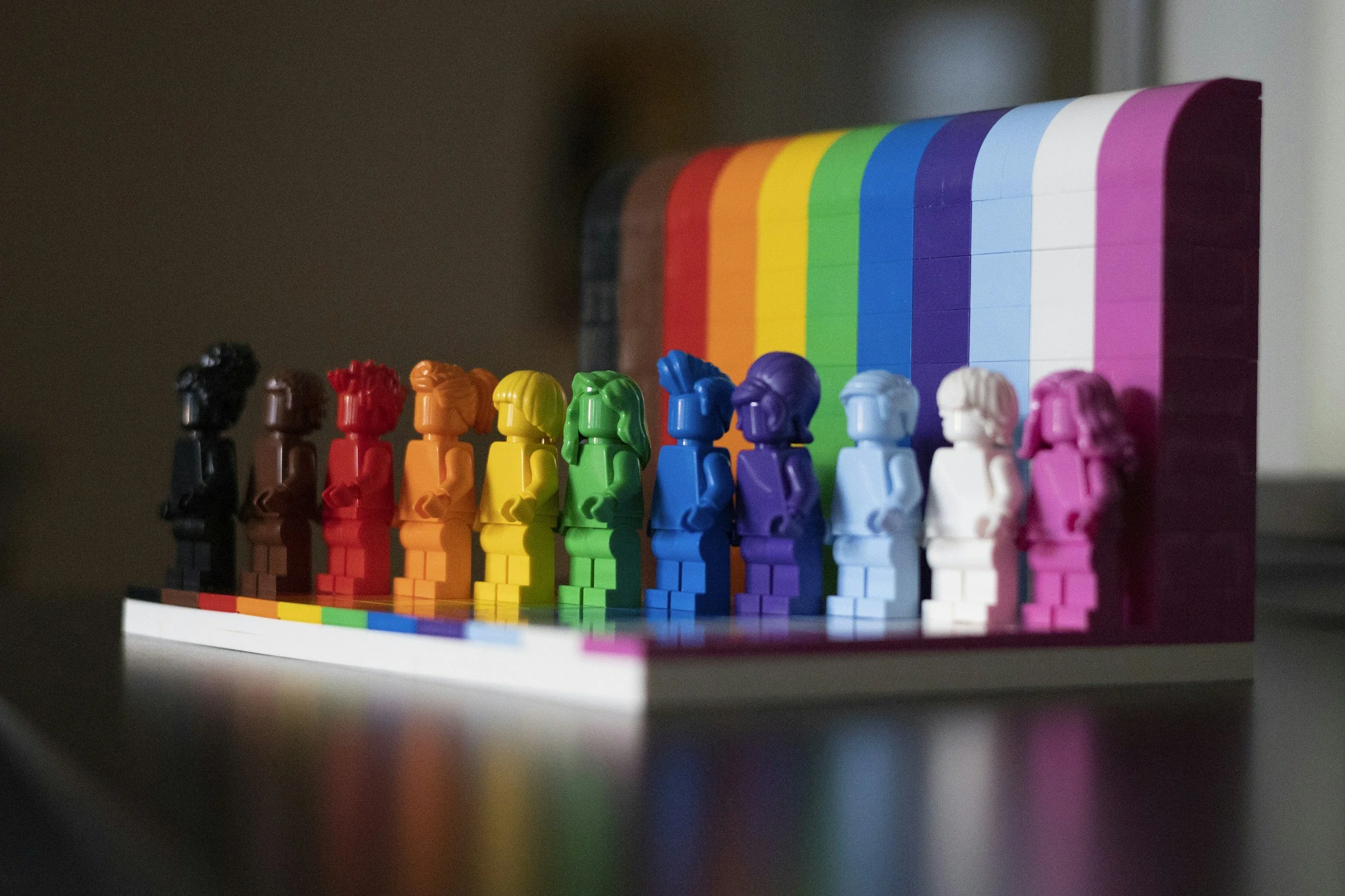
Reiki is for anyone who is open to receiving energy healing and seeking a sense of well-being whether they are experiencing physical ailments, emotional distress, or simply seeking relaxation and stress reduction. In this blog, we will explore how Reiki transcends cultural and societal boundaries, making it a practice that can be embraced and enjoyed by everyone.
At the very core of Reiki lies the belief in the universal life force energy that flows through all living things. This energy, known as "ki" in Japanese or "chi" in Chinese, is a fundamental concept shared by various cultures and spiritual traditions worldwide. Reiki practitioners tap into this energy and direct it to promote healing and balance. Regardless of one's cultural or religious background, the universal nature of energy makes Reiki accessible to everyone and everything.
Reiki offers numerous benefits for physical and emotional wellbeing
By channeling energy into the body, Reiki helps to remove energy blockages and stimulate the body's natural healing processes. This can alleviate physical ailments, reduce pain and inflammation, and accelerate recovery from injuries or surgeries. It can be used as a supportive therapy for chronic conditions. Reiki compliments traditional medical treatments to enhance their effectiveness. It is always advisable to consult with your GP or consultant first.
Reiki has profound effects on emotional health. It can help individuals release emotional traumas and grief, reduce stress, depression and anxiety, as well as promote relaxation. Reiki sessions provide a safe and non-judgmental space for individuals to connect with their emotions and find inner peace. It can also assist in releasing emotional blockages and facilitating personal growth and self-discovery. Due to Reiki being a non-invasive practice it is often used in conjunction with other therapies such as massage therapy, acupuncture, homeopathy and counselling.
Reiki also adapts to individual needs. It can be performed through gentle touch or at a distance, allowing people who may have physical limitations or discomfort with touch to still benefit from its healing effects. The adaptability of Reiki enables practitioners to tailor their approach based on the unique needs and preferences of each individual. How amazing!
One of the remarkable aspects of Reiki is its accessibility
Unlike some healing practices that require extensive training or specific physical abilities, Reiki can be learned and practiced by anyone. The techniques are simple and easy to understand, making it accessible even to those with no prior experience in energy work.
Reiki is a practice that transcends cultural and religious boundaries. While it has its origins in Japan, Reiki does not require adherence to any specific belief system. It complements and enhances various religious and spiritual practices rather than conflicting with them. Practitioners from different faiths, including Christianity, Buddhism, Hinduism, Islam, and others, have incorporated Reiki into their spiritual journeys without compromising their existing beliefs.
The non-invasive nature of Reiki allows individuals to experience its benefits without engaging in any particular religious rituals or practices. It can be seen as a tool for personal growth and self-care, independent of religious or cultural affiliations. This inclusivity makes Reiki a unifying force that can be embraced by people from diverse backgrounds.
Reiki also serves as a valuable tool for self-care and personal growth
Learning Reiki empowers individuals to take an active role in their well-being and develop a deeper connection with themselves. Through self-treatment, meditation, and mindfulness techniques, Reiki practitioners cultivate self-awareness, compassion, and resilience. Reiki is beneficial for those on a spiritual journey, as it can enhance one's connection to their higher self, promote spiritual awareness, and assist in removing energetic blockages that may be hindering spiritual growth.
Reiki also fosters a sense of community and connection. People often gather in Reiki circles or group sessions to share experiences, support one another, and collectively raise the energetic vibration. These communities provide a nurturing environment where individuals can explore their spiritual paths and find like-minded individuals. If you are following our Instagram or visiting our website, we welcome you as part of our community.
Reiki's inclusive nature makes it a practice that can be embraced by anyone seeking a holistic approach to healing and well-being. Its accessibility, adaptability, and compatibility with various religious and cultural practices contribute to its universal appeal. Whether you are seeking physical healing, emotional well-being, personal growth, or a deeper connection with oneself and others, Reiki offers a transformative and enriching experience. By embracing Reiki, individuals can tap into the universal life force energy and unlock their potential for holistic healing and spiritual growth.
Why not use our Find A Practitioner directory to find a Reiki practitioner local to you?