
The Healing Power of Reiki in Grief
Grief is a natural response to loss, often accompanied by intense emotions, physical discomfort, and a profound sense of sadness. The process of healing from grief requires time, support, and various coping strategies. Reiki has gained popularity as a complementary therapy for grief support. In this blog, we will explore how Reiki can support individuals navigating the journey of grief.
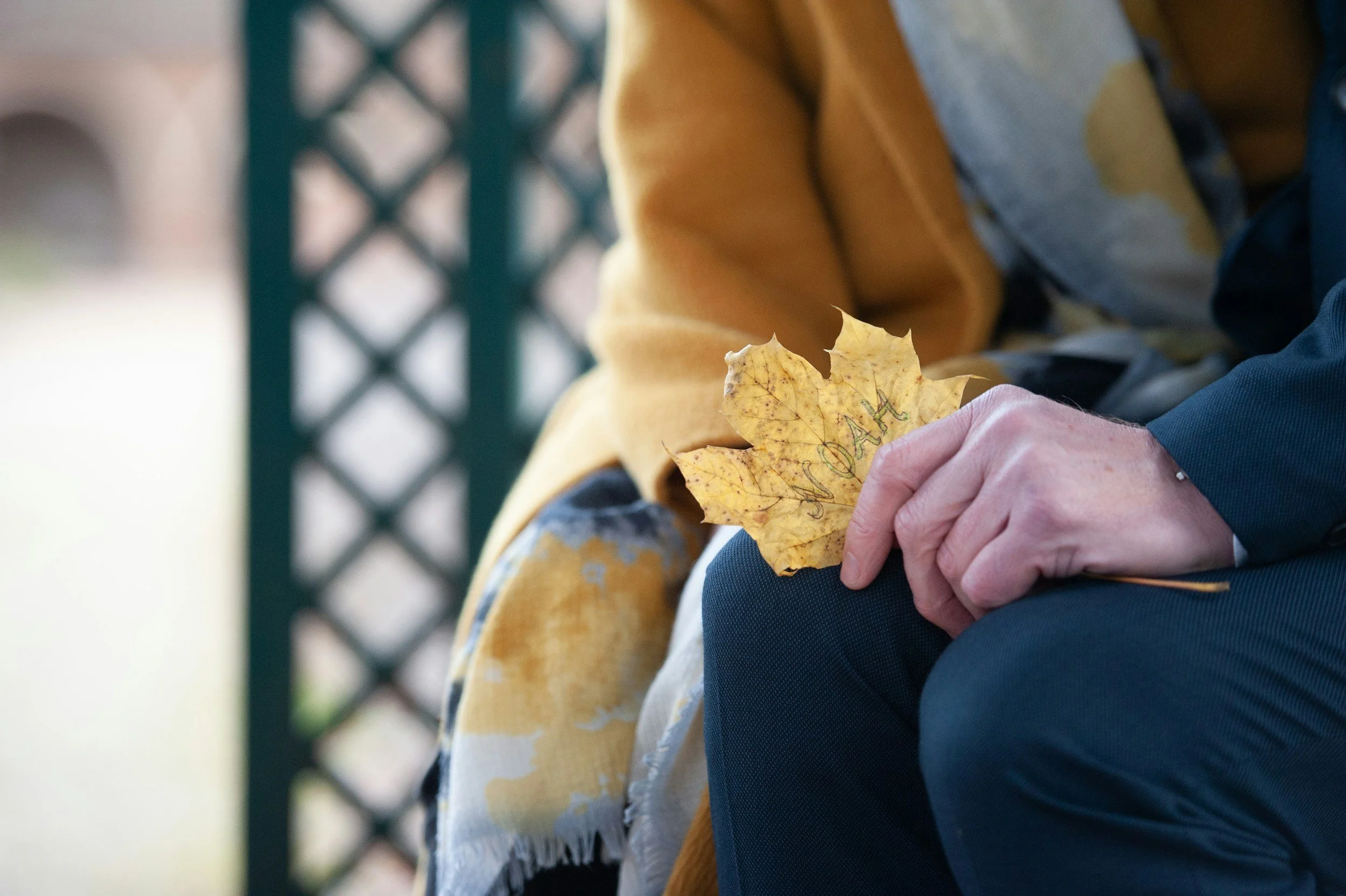
Reiki provides support for individuals experiencing grief by directing the energy to the physical, emotional, and spiritual aspects of their being. It does not aim to eliminate grief but rather helps individuals navigate their grief journey and promote overall well-being. Here are several ways in which Reiki supports grief:
Emotional Release and Relaxation
Grief often manifests as a buildup of intense emotions such as sadness, anger, guilt, or confusion. Reiki treatments can create a safe space for individuals to release and process these emotions. Through gentle touch or non-contact techniques, Reiki practitioners help create a calm and nurturing environment that promotes relaxation, reducing stress and anxiety levels associated with grief.
Energetic Balancing
Reiki works with the body's energy centres, known as chakras, to restore balance and harmony. Grief can disrupt the flow of energy, leading to physical and emotional imbalances. Reiki sessions can help to clear these energetic blockages and restore the natural flow of energy, enhancing overall well-being and supporting the healing process.
Physical Comfort
Grief often takes a toll on the physical body, manifesting as exhaustion, tension, headaches, or digestive issues. Reiki can promote physical comfort by helping to alleviate these symptoms. By channelling healing energy, Reiki can reduce pain, release muscular tension, and enhance the body's natural ability to heal.
Spiritual Connection
Grief can challenge an individual's spiritual beliefs and raise existential questions. Reiki fosters a connection to one's inner self and spiritual essence, helping individuals find solace, comfort, and meaning in their grief journey. Reiki's emphasis on the interconnectedness of all beings and the universal life energy can provide a broader perspective, promoting spiritual growth and understanding.
Self-care and Self-empowerment
Reiki empowers individuals to take an active role in their healing process. Through Reiki individuals can practice self-care and self-compassion, fostering a sense of empowerment and self-reliance. Those trained Reiki trained in level 1 and above, will be able to use self-healing for themselves. Reiki techniques, such as meditation and breath work, can be integrated into daily routines, providing individuals with tools to manage their grief and promote overall well-being.
Supportive Therapeutic Relationship
Reiki sessions often involve a one-on-one interaction between the practitioner and the client, creating a supportive therapeutic relationship. This relationship can provide individuals with a safe space to express their emotions, share their grief experiences, and receive compassionate support. The practitioner's presence and non-judgmental attitude can validate and normalise the grieving process, facilitating healing and growth.
To conclude, Reiki offers a holistic approach to grief support by addressing the physical, emotional, and spiritual aspects of an individual's experience. Through its gentle touch or non-contact techniques, Reiki promotes emotional release, energetic balancing, physical comfort, spiritual connection, self-empowerment, and a supportive therapeutic relationship. While Reiki is not a substitute for professional mental health support, it can complement traditional grief counselling and provide individuals with additional tools for healing and self-care. If you are navigating the challenging journey of grief, consider exploring the potential benefits of Reiki as part of your healing process.
Why not use our Find A Practitioner directory to find a Reiki practitioner local to you?