
Giving Reiki to Cancer Patients - a Personal Perspective
We recognise that Reiki is a gentle healing energy and a complementary therapy that is safe to be used alongside more formal medical treatments, including the treatment of cancer.
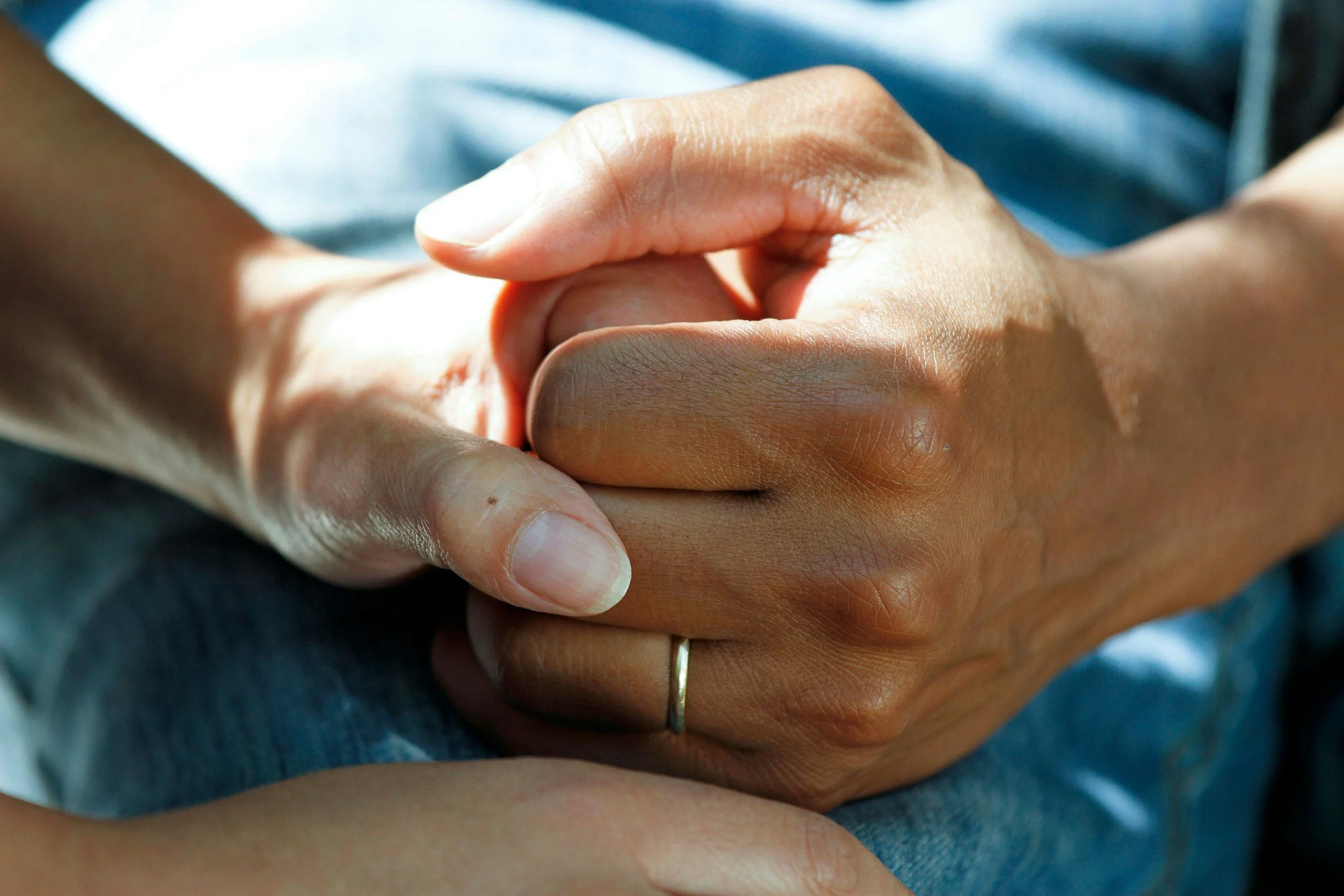
Although little formal research has been completed into the effects of Reiki on cancer patients, most feel deeply relaxed and experience less anxiety and stress. They also feel more able to cope with the demands of their illness and improved emotional well-being during this difficult time.
Whilst we recognise that Reiki can not prevent, treat or cure cancer, it can offer significant quality of life benefits. If you want to read more, this is on the Cancer Research UK website: Reiki – Cancer Research UK.
Offering Reiki to cancer patients
Isabelle is one of our amazing Reiki Masters and this is her experience as a Reiki practitioner volunteer.
I started as a Reiki practitioner volunteer at the Macmillan Butterfly Centre in Epsom Hospital in April this year. From the very beginning of my journey, I knew this was something I truly wanted to do, and I was overjoyed when I received my CNHC certification in January.
All appointments are managed by the Macmillan Butterfly Centre, where a range of complementary therapies are offered. Each patient has access to a limited number of sessions, so I may only see clients once or twice depending on their choices.
I soon realised that working in a hospital setting would require a slightly different approach from working at home. In the Touch magazine of the Reiki Association (Winter 2024 issue, Reiki in Healthcare), I came across an article by Frans Stiene that resonated deeply with me and gave me the confidence to simply be Reiki. He shared six essential tips:
Keep it simple
Stay centred
Don’t label, judge, or distinguish
Be flexible
Check expectations
Practise compassion
I often return to this article for guidance. Many of the cancer patients or their relatives who come for Reiki do so with an open mind. For some, it’s their first experience of Reiki. Keeping in mind the first principle — keep it simple — I focus on ensuring that each client feels comfortable and able to relax peacefully during their 30-minute session.
I’m mindful that some may have just undergone surgery or radiation therapy, or may be awaiting a diagnosis. Each time I begin my afternoon at the hospital, I feel a sense of joy, knowing that Reiki will flow to each client as needed — without any expectations on my part.
As Frans reminds us, “Expectations can become an obstacle because when they are not met, we start to worry or get frustrated… Healing comes in many forms, and not all of them are visible.”
To stay grounded and be Reiki with my clients, I practise diligently and embrace the Reiki precepts in my daily life. They form the foundation of who I am — both at the hospital and in my relationships with family and friends.
Frans’ words about compassion particularly resonate with me: “By far, the most important element for working in a hospital is compassion… It is only through a compassionate heart and mind that we start to see everybody as equal, and therefore we start to feel safe and secure ourselves. This in turn makes us a more grounded and flexible practitioner… Real compassion is when we see there is no giver, no gift, and no receiver. Whether in a busy hospital or a tranquil spa, compassion allows both practitioner and client to shine more brightly.”
This continues to inspire me every time I step into the Reiki room at the Macmillan Butterfly Centre.
Isabelle
To conclude
We are all on our own Reiki journey, and whatever we decide to do with our practice is right for us. We need to remember to be authentic to ourselves and to Reiki — and whether we use Reiki just for ourselves, for family and friends, as a business or in a volunteering setting, it is right for us, and right for now.