
21 Days of Self-Healing - is it optional?
The easy answer is NO - it’s not something you can put off, take time away from or miss for a few days!
21 days of self-healing is about being consistent and committed to yourself and to your healing.
This month we are going to explore the reasons behind 21 days of self-healing, why we shouldn’t postpone or miss this ritual, the benefits, and possible outcomes of self-healing.
What is 21 Days of Self-healing?
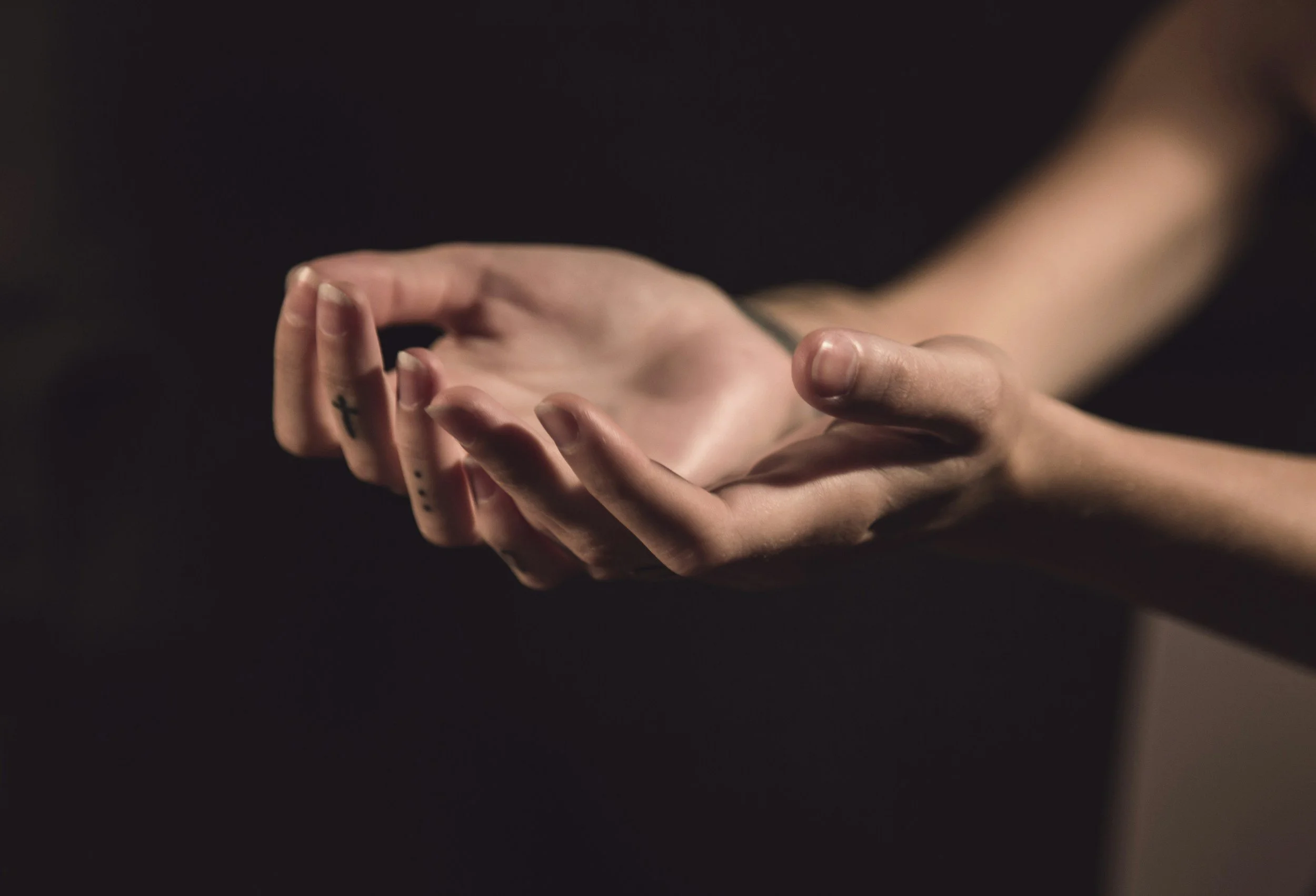
A gentle journey back to balance, clarity, and inner peace. This journey is not about perfection. It is about creating sacred time each day to reconnect with yourself.
Attunements are given during your training at Reiki 1, Reiki 2 and Masters level; you are then encouraged to complete 21 days of self-healing. The attunement is believed to initiate a deep energetic shift within the body, mind, and spirit. The attunement itself is not the end of the process; it is the beginning of a period of integration, cleansing, and adjustment.
During an attunement, the Reiki Master opens and aligns the student’s energetic channels so Reiki energy can flow more freely. In Reiki traditions, this is understood as raising the individual’s energetic vibration and reconnecting them to universal life force energy. Once this shift occurs, the body and energy system begin responding to the new frequency, which can trigger physical, emotional, mental, and spiritual changes.
The 21 days that follow are considered important because they allow you to actively support this transformation through daily self-treatment. Rather than leaving the energy to settle on its own, self-healing helps stabilise and strengthen the Reiki flow within the system.
Traditionally, these 21 days are associated with clearing different layers of the self. The first layer is connected to physical cleansing, where the body begins releasing tension, fatigue, and stored stress. The second is linked to emotional healing, where unresolved emotions or old patterns may surface for release. The final layer is believed to focus on mental and spiritual integration, bringing greater clarity, awareness, and connection.
Daily self-healing also helps us develop sensitivity to Reiki energy. Reiki is not only something to understand intellectually; it is something experienced through practice. By self-healing every day, we begin learning how energy feels within our own body, our emotions, and intuition. This consistency strengthens confidence, trust, and connection to Reiki.
Another important reason for the 21-day practice is that healing begins with the self. In the teachings of Mikao Usui, self-healing is considered a foundational part of becoming a Reiki practitioner. Before fully supporting others, we are encouraged to first experience our own healing journey with awareness and compassion.
Many Reiki practitioners also describe the period immediately after attunement as a sacred window of heightened energetic openness. During this time, you may experience emotional releases, vivid dreams, tiredness, increased intuition, or deep relaxation. Daily self-healing helps us remain grounded and supported while these shifts unfold.
Ultimately, the 21-day self-healing journey is about integration, discipline, and self-connection. It teaches us to slow down, listen inwardly, and create a daily relationship with healing rather than treating Reiki as a one-time experience.
Why the 21 Days Should Not Be Postponed
After a Reiki attunement, the energetic system is believed to be especially open and responsive. The self-healing practice immediately following attunement helps anchor the Reiki energy into daily life and supports the body during this adjustment period.
Postponing the 21 days can interrupt the momentum of the integration process. Just as physical exercise strengthens the body through repetition and consistency, Reiki self-healing strengthens the energetic connection through daily practice. When the practice is delayed or inconsistent, it can become more difficult to develop sensitivity to the energy and maintain the discipline needed for deeper healing work.
The consistency of these 21 days also creates an important foundation for future Reiki practice. It encourages discipline, mindfulness, self-awareness, and energetic sensitivity — all essential qualities within the Reiki path.
For many people, the greatest healing happens not in dramatic moments, but in the quiet daily practice of showing up for themselves.
The Benefits of Daily Reiki Practice
The benefits of Reiki can be subtle or deeply transformative depending on the individual. Some people immediately feel relaxed and peaceful, while others notice gradual shifts over time.
Physically, Reiki may help reduce stress, encourage deeper sleep, ease tension in the body, and support overall wellbeing. Since stress affects nearly every system within the body, creating time for relaxation can have a positive impact on energy levels and general health.
Emotionally, Reiki can help bring buried feelings to the surface. During a 21-day practice, people often notice emotional releases connected to grief, fear, sadness, anger, or unresolved experiences. While this can sometimes feel intense, it is often described as freeing and healing.
Mentally, Reiki encourages clarity and stillness. Many people find they begin overthinking less and trusting themselves more. The mind becomes quieter, making space for peace and better emotional regulation.
Spiritually, Reiki can strengthen intuition and create a deeper sense of connection to oneself and life as a whole. Some people feel more aligned with their purpose, more compassionate toward themselves, and more grounded in the present moment.
How to Practise Self-Healing
The beauty of Reiki is its simplicity. You do not need elaborate rituals or perfect conditions to begin. The most important element is intention.
Start by creating a peaceful environment where you feel safe and comfortable. This could be a quiet room, a meditation corner, or simply a place where you can sit undisturbed for a few moments each day. Some people enjoy lighting candles, burning incense, listening to soft music, or surrounding themselves with calming objects such as crystals or blankets.
Before beginning, take a few deep breaths and set an intention for your healing session. Your intention might be emotional healing, stress relief, inner peace, clarity, forgiveness, or simply allowing yourself to rest.
Activate Reiki and then gently place your hands on the different parts of the body as you were taught at Reiki Level 1. Spend several minutes in each position, breathing slowly and allowing yourself to relax.
There is no need to force sensations or expect dramatic experiences. Reiki works gently and naturally. Some sessions may feel deeply emotional, while others feel quiet and peaceful. The key is consistency rather than expectation.
After the session, drink water and take a few moments to notice how you feel. Journaling can also be helpful during the 21-day process, as it allows you to reflect on emotional changes, insights, dreams, and healing experiences.
Some journaling prompt which may be helpful:
What emotions am I holding onto?
Where do I need more compassion?
What does healing mean to me?
What am I ready to release?
What brings me peace?
How does my body feel today?
What changes have I noticed?
Trusting the Healing Process
One of the most important lessons Reiki teaches is patience. Healing is not always immediate, linear, or visible. Some days you may feel peaceful and energised, while other days emotions may surface unexpectedly. Both experiences are part of the process.
Reiki invites us to stop fighting ourselves and instead approach healing with compassion. It reminds us that rest is productive, emotions deserve acknowledgment, and self-care is necessary rather than selfish.
A 21-day Reiki journey is ultimately an act of self-love. It is a promise to yourself that your healing matters.
Through the teachings of Mikao Usui, Reiki continues to offer you a gentle path back to balance, peace, and inner connection. Whether you are beginning your Reiki journey or deepening an existing practice, these 21 days can become a meaningful opportunity to reconnect with your mind, body, and spirit in a nurturing and transformative way.
Tips for a Successful 21-Day Reiki Journey
Be Consistent - even 10–15 minutes daily can make a difference.
Stay Hydrated - energy work can leave you feeling dehydrated.
Rest When Needed - healing sometimes brings fatigue.
Avoid Judgment - every healing experience is unique.
Trust the Process - some days feel profound, others quiet. Both are valid.
Some people feel very little physically yet still experience meaningful emotional or mental shifts over time.
And finally….
The 21-day Reiki self-healing journey is ultimately an act of self-commitment. In a world that often encourages constant doing, Reiki invites you to slow down, listen inwardly, and create space for healing.
Whether your goal is emotional balance, spiritual growth, stress relief, or simply more peace in your daily life, this practice offers a gentle and supportive path back to yourself.
Healing is not about becoming someone new. It is about reconnecting with who you already are beneath stress, fear, and exhaustion.
One day, one breath, one healing session at a time.